Sustainability isn’t a trend - it’s our foundation. Cork is one of the most sustainable materials on Earth:
100% biodegradable, renewable, recyclable, and reusable.
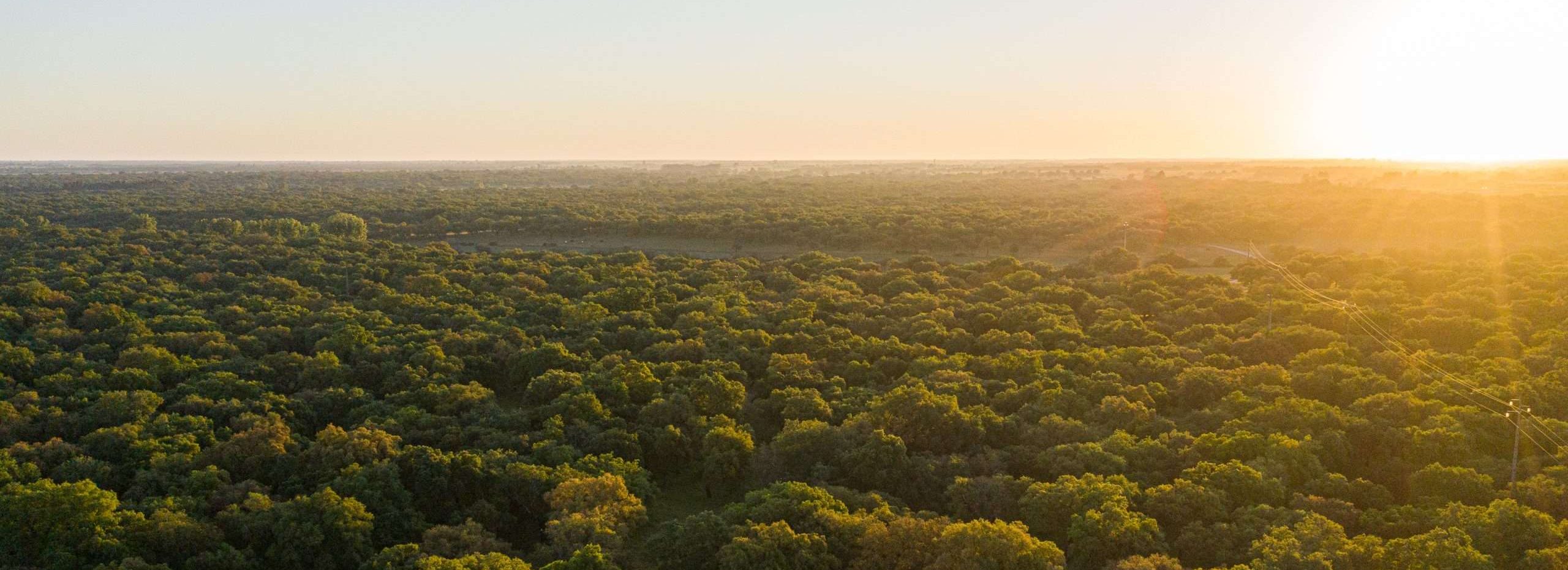
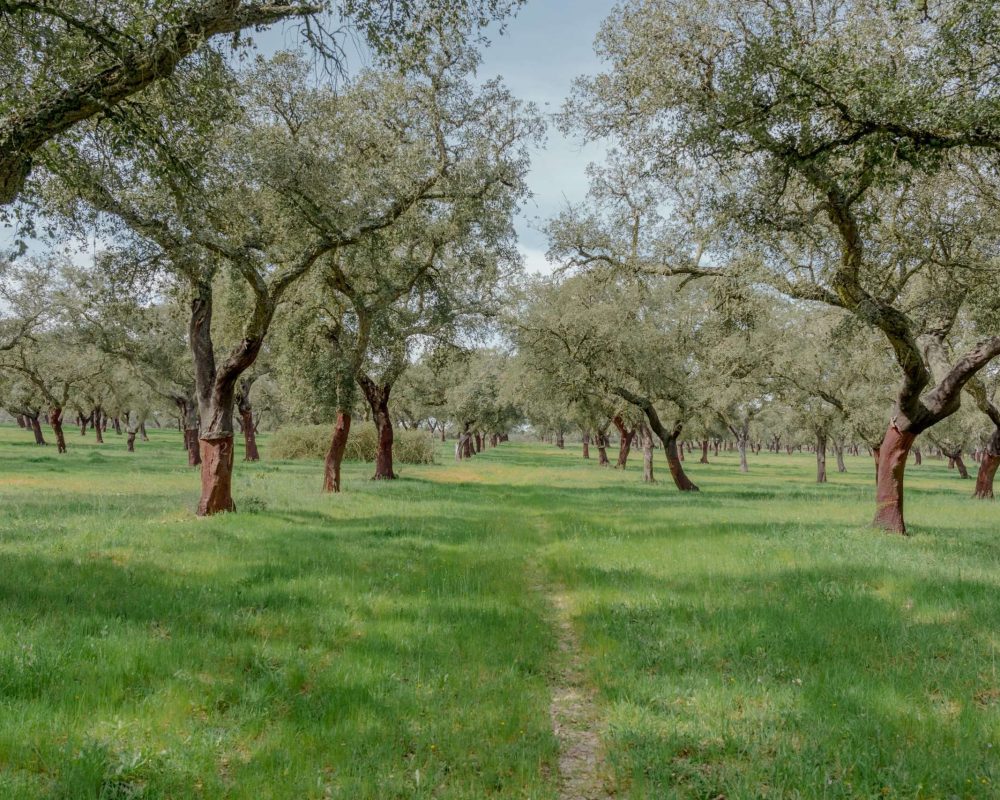
Such an incredible material could only originate from an otherworldly forest: the Cork Oak Forest. Spanning 2.1 million hectares across the Western Mediterranean Basin, these 45-million-year-old forests absorb vast quantities of carbon dioxide. They are also home to hundreds of animal species and thousands of plant species, playing a vital role in mitigating climate change while simultaneously acting as reservoirs of biodiversity and supporting local communities.
Each ton of cork harvested helps cork oak forests absorb up to 73 tons of CO₂, making them one of the most powerful carbon sinks in the natural world. These forests are not only vital for the climate — they are home to countless species and support the livelihoods of over 100,000 people across the Mediterranean. Cork oaks live for over 200 years and are never cut down. Instead, their bark is gently harvested by hand every nine years, in a process that respects the tree and regenerates the forest. This cycle of renewal makes cork one of the most sustainable materials on Earth. At Portocork, we honour this extraordinary ecosystem by transforming cork into high-performance closures that preserve the essence of wine and the future of our planet.
A carbon footprint measures the total greenhouse gas (GHG) emissions caused directly or indirectly by an individual, event, organization, or product. It is usually expressed in tons of CO₂ equivalent per year.
These come from sources owned or controlled by the entity and are directly linked to its activities:
From burning fossil fuels in boilers, furnaces, or vehicles.
Released during industrial processes, such as chemical reactions.
Accidental releases of gases, such as leaks from pipelines or equipment.
These are related to the entity’s activities but occur at sources owned or controlled by another entity:
Electricity, steam, heating, and cooling acquired from external sources.
Emissions from the production of purchased goods and services, business travel, employee commuting, waste disposal, and the use of sold products.
Our cork stoppers actively contribute to climate balance by presenting a negative carbon footprint.
Thanks to the unique properties of cork oak forests and our low-impact production processes, each stopper contributes to carbon sequestration, creating a negative carbon footprint. It’s nature and innovation working together for a better planet.