
Nova by Naturity® is a 100% natural cork stopper. Each
stopper is carefully selected and processed to ensure perfect
preservation of the wine in the bottle, keeping its flavour and
aroma intact.
The Nova by Naturity® stopper guarantees excellent
airtightness and minimal oxygen transfer, essential for
preserving wine quality. Naturity® technology, based on
thermal desorption principles, eliminates TCA and other
volatile compounds that can negatively affect the
organoleptic profile of wine.
Rigorous quality controls ensure that each stopper meets
the strictest standards of the wine industry.
Nova by Naturity® is a superior quality stopper with excellent physical and mechanical properties, using a unique 100% biodegradable and recyclable raw material.
Also available with FSC®certification.
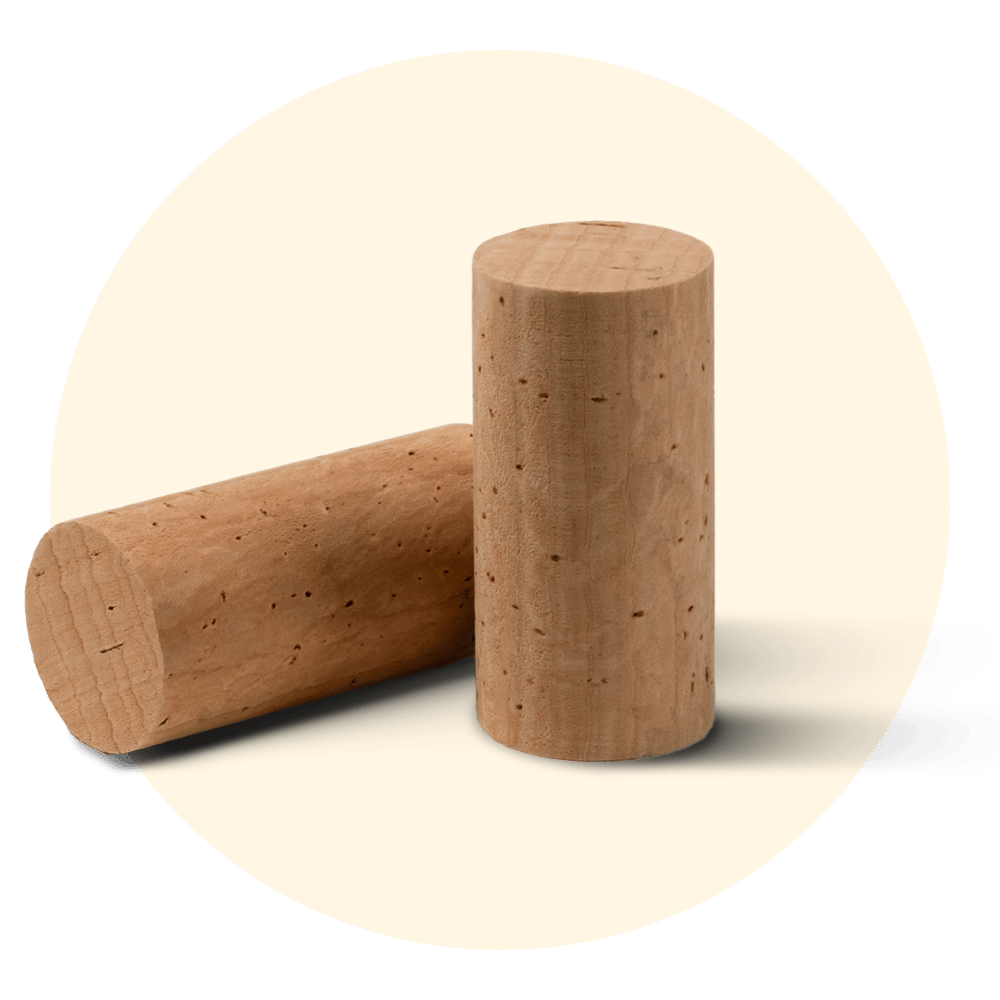
38 x 24 mm
39 x 26 mm
45 x 24 / 26 mm
49 x 24 / 26 mm
54 x 24 / 26 mm
| Characteristics | Parameters | Specifications |
|---|---|---|
| Dimensions |
Length
Diameter
Ovalisation
|
± 0,7 mm
± 0,5 mm
≤ 0,7 mm
|
| Physical and chemical properties |
Moisture
Apparent volume mass
Extraction force
Peroxide content
Dust content
TCA (2,4,6 - Trichloroanisole)
|
4 - 8%
130 - 225 kg/m³
15 - 45 daN
≤ 0,1 mg/stopper
≤ 1,5 mg/stopper
99% < 0,5 ng/l - 1% ≤ 1,0 ng/l **
|
| Permeability*** |
OIR (oxygen release up to 6 months)
OTR (oxygen transfer after 6 months)
|
2,3 mg O₂
0,10 mg O₂/year
|
*The colors shown in the various washing options are for illustrative purposes only and may not be accurately reproduced in the photographs. Slight variations may occur depending on the type of stopper selected. Portocork cannot be held responsible for these minor variations. We therefore recommend that you take them into consideration when making your final product selection.
**Releaseable TCA content equal to or less than the quantification limit of 0.5 ng/l; analysis carried out in accordance with ISO 20752.
***Oxygen transmission rate determined as described in P.Lopes; C.Saucier; Y.Glories; J.Agric. Food Chem. 2005, 53, 6967-6973.
The average values vary accordingly to visual class.